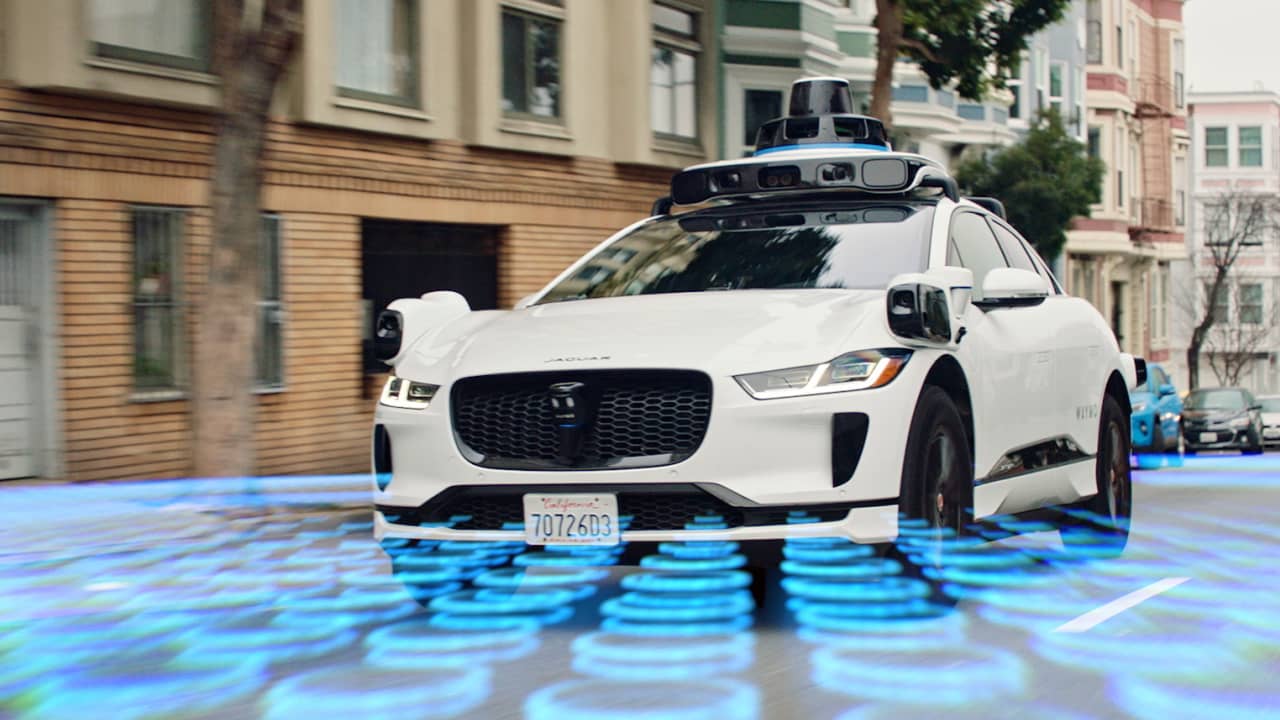
Why Waymo’s Funding News Matters for Real Estate
Alphabet’s self-driving subsidiary Waymo is reportedly in talks to raise a massive new funding round—one that could value the company at $100 billion or more. With investment figures potentially exceeding $10–15 billion, this move isn’t just another headline in tech news.
For those of us tracking Silicon Valley real estate, this is a signal worth paying attention to.
Major capital inflows into autonomous vehicle and AI companies don’t happen in isolation. They shape job growth, housing demand, commercial development, and long-term property values across the Bay Area. In this article, I’ll break down what Waymo’s rise means for Bay Area home buying, where the real estate ripple effects are likely to show up, and how tech professionals and investors should be thinking about the Santa Clara County market and beyond.
Waymo’s $100B Valuation: A Snapshot of Silicon Valley’s AI Economy
Waymo began as Google’s self-driving car project before spinning out as a standalone company in 2016. Nearly a decade later, it has quietly become one of the most advanced autonomous vehicle platforms in the world.
Here’s what makes Waymo different:
-
The only U.S. company offering paid robotaxi rides
-
No safety driver and no in-car attendant
-
A fleet of 2,500+ fully autonomous vehicles
-
Active operations in major U.S. metro areas
Now, according to reports from The Information and Bloomberg, Waymo is in discussions to raise its next funding round as early as next year—potentially led by Alphabet itself.
From a real estate perspective, this underscores a familiar Silicon Valley pattern:
capital → talent → housing demand → long-term appreciation
How Big Tech Funding Cycles Impact Bay Area Real Estate
When companies like Waymo scale, the effects extend far beyond the balance sheet.
Historically, large funding rounds and IPO trajectories in Silicon Valley have driven:
-
Increased demand for luxury single-family homes
-
Competitive markets for new construction condos and townhomes
-
Strong appreciation in neighborhoods close to tech corridors
-
Expansion of mixed-use and transit-oriented developments
We saw this with Google, Meta, Apple, Nvidia, and Tesla—and autonomous vehicle companies are following the same playbook.
For Bay Area home buying, this often means:
-
Higher competition in desirable school districts
-
Faster absorption of high-end inventory
-
Increased interest from international and out-of-state buyers
In short, when AI capital floods in, real estate becomes the store of value.
Robotaxis, Infrastructure, and the Future of Silicon Valley Housing
Autonomous transportation isn’t just a tech breakthrough—it’s an urban planning disruptor.
As robotaxi networks scale, we’re likely to see changes in how people choose where to live:
-
Less dependence on personal car ownership
-
Greater flexibility in commuting patterns
-
Increased demand in previously “secondary” locations
For Silicon Valley, this could accelerate growth in areas like:
-
Santa Clara
-
Sunnyvale
-
Mountain View
-
North San Jose
-
Transit-adjacent parts of the Peninsula
Neighborhoods near employment hubs—but previously constrained by traffic—may become more attractive as autonomous ride-hailing reduces commute friction.
For developers and investors, this also increases the appeal of higher-density housing near transit corridors, particularly in Santa Clara County.
What This Means for High-Net-Worth Buyers and Investors
If you’re a tech professional or investor in the Bay Area, Waymo’s rise reinforces a key theme:
AI-driven wealth creation is still in its early innings.
From a strategic standpoint:
-
Primary residences in core Silicon Valley cities continue to benefit from tech concentration
-
Trophy properties and luxury homes remain in demand during capital expansion cycles
-
Long-term investors should watch rezoning and infrastructure changes tied to autonomous transit
As someone ranked in the top 0.5% of agents nationally, with over $80M in annual production, I see firsthand how these macro tech trends translate into micro neighborhood shifts—often before they show up in headlines.
The biggest opportunities usually belong to buyers who act before the broader market connects the dots.
Silicon Valley Real Estate Is Still Being Built Around Innovation
Waymo’s potential $100B valuation is more than a milestone—it’s confirmation that Silicon Valley remains the global epicenter of AI and autonomous innovation.
For real estate, that means:
-
Continued long-term demand
-
Persistent inventory constraints
-
Strong pricing power in prime locations
Whether you’re buying a primary residence, upgrading into a luxury property, or positioning capital strategically, understanding how tech funding cycles influence Bay Area real estate is no longer optional—it’s essential.
Conclusion: Positioning Yourself Ahead of the Curve
Major tech inflection points shape the next decade of housing demand. Waymo’s rapid ascent is another reminder that Silicon Valley real estate and innovation are inseparable.
If you want a data-driven perspective on where the market is heading—and how to position yourself intelligently—I’d love to help.
Call to Action:
👉 Subscribe to my newsletter for weekly Bay Area market insights
👉 Schedule a private consultation to discuss buying, selling, or investing strategically in Silicon Valleyhttps://docs.google.com/forms/d/e/1FAIpQLSeZpr52lLawnAHjfLRwaHSuG8BS50ETcPzFJmos3Okb-3yvGw/viewformhttps://calendly.com/spencerhsure/60?back=1