Why Tech Professionals Are Quietly Moving Back—and What It Means for Housing
For years, the dominant narrative was clear: Everyone is leaving the Bay Area.
Headlines from 2020 to 2022 declared Silicon Valley dead. Tech was “going remote forever.” Workers were cashing out their Bay Area homes and relocating to Austin, Miami, Boise, or even overseas.
But that story is now outdated—and incomplete.
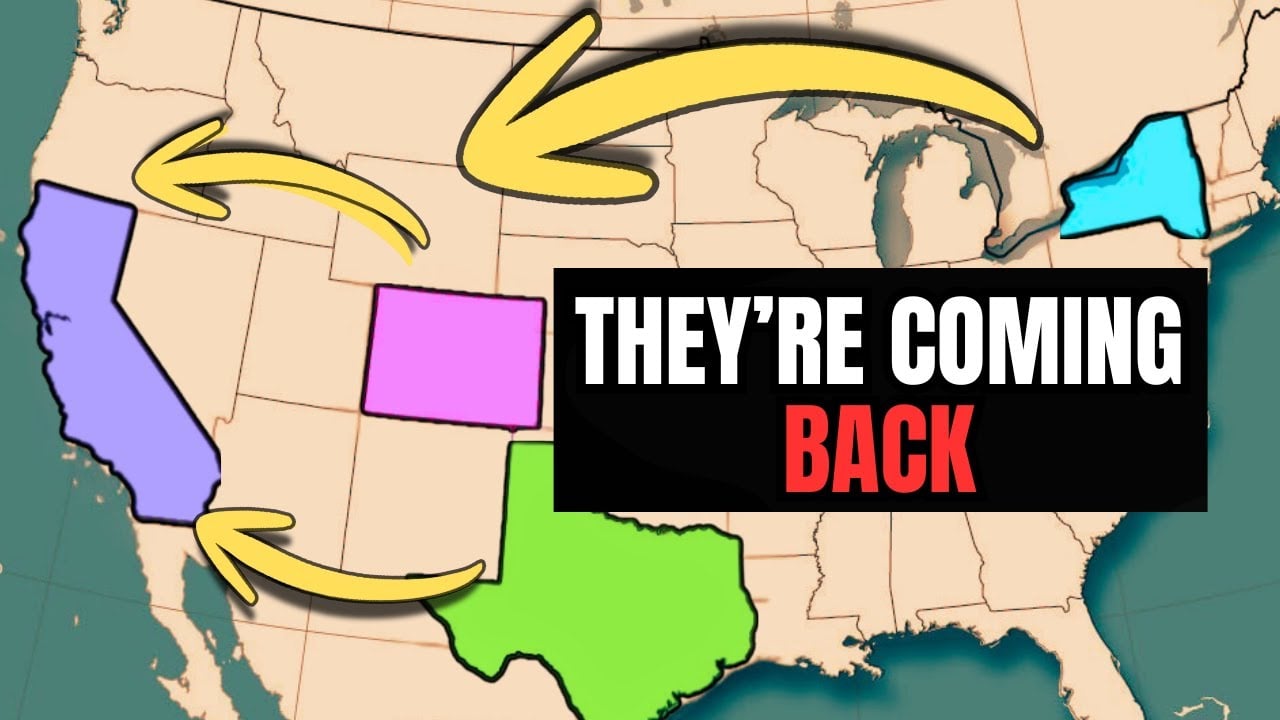
Behind the scenes, something very different has been happening. In 2024 and 2025, a significant return migration began, especially among tech professionals and families who left during the pandemic.
And it’s already reshaping the Bay Area housing market.
The Pandemic Exodus Was Real—But Temporary
There’s no denying it: between 2020 and 2022, the Bay Area experienced real outbound migration.
-
Offices shut down
-
Remote work exploded
-
People sought lower taxes and more space
-
Media amplified every departure
But migration didn’t stop—it reversed.
By 2024, California gained roughly 100,000 residents, and 2025 saw even stronger inbound movement. A large portion of those newcomers weren’t strangers—they were former Bay Area residents coming home.
Who’s Coming Back to the Bay Area?
Return migration isn’t random. It’s coming from specific groups with clear motivations.
1. Tech Families in Their 30s and 40s
Many younger tech professionals left during the remote-work era believing they could replicate the Bay Area lifestyle elsewhere.
What they discovered:
-
School quality was inconsistent
-
Healthcare access was weaker
-
Professional networks disappeared
-
Career mobility slowed
While other regions were cheaper, they couldn’t match the opportunity density of Silicon Valley. For many families, the Bay Area’s blend of education, healthcare, and career upside proved impossible to replace.
2. Retirees and Near-Retirees Following Family
Another quiet but powerful trend: parents moving back to be near their adult children and grandchildren.
Many had relocated to low-cost states and enjoyed lower expenses—but ultimately realized that no amount of savings replaces proximity to family. As their children moved back for work, parents followed.
3. Remote Workers Facing the Reality of RTO
This has been the biggest driver.
Many professionals assumed remote work was permanent. Then reality set in:
-
Return-to-office mandates (3–5 days/week)
-
Promotions tied to in-person visibility
-
Better-paying roles requiring Bay Area presence
At large companies like Google, Apple, Meta, Nvidia, OpenAI, and Anthropic, proximity still matters—especially for senior roles, high-impact projects, and long-term career acceleration.
Remote workers often discovered an uncomfortable truth:
If you can work from anywhere, you can also be replaced from anywhere.
Where Are People Moving Back From?
The data—and real-world client experience—shows consistent patterns. The top states feeding inbound Bay Area migration include:
-
Texas (especially Austin) – Housing slowdowns, limited career upside
-
New York – Bi-coastal professionals chasing tech-finance overlap
-
Washington – Talent moving from Amazon and Microsoft ecosystems
-
Florida – Lifestyle mismatches (humidity, storms, mosquitoes)
-
Nevada – Proximity helped, but long-term fit often didn’t
Many of these moves were experiments. The return wasn’t failure—it was recalibration.
The Real Drivers Behind the Comeback
Career Growth and Opportunity
Despite global tech expansion, the Bay Area remains the center of gravity for innovation—especially in AI.
-
OpenAI
-
Anthropic
-
Google AI
-
Meta
-
Nvidia
-
Venture capital networks
Yes, companies have satellite offices elsewhere—but they don’t put headquarters and core innovation hubs in Boise for a reason.
For those serious about career trajectory, being close to “the mothership” still matters.
Compensation Still Favors the Bay Area
This is rarely said out loud—but it’s decisive.
-
$150K–$200K roles elsewhere
-
$300K–$500K+ total comp in the Bay Area once RSUs and bonuses are included
Over a decade, that difference compounds dramatically—often dwarfing the higher cost of housing.
For startup employees, proximity also means better networking, faster pivots, and earlier access to the next opportunity.
Lifestyle Is Hard to Replicate
People often say, “I forgot how good we had it.”
Yes, the Bay Area is expensive. Yes, traffic exists. But it also offers:
-
Mild weather year-round
-
World-class food across every cuisine
-
Hiking in the Santa Cruz Mountains
-
Coastal access
-
No hurricanes, blizzards, or extreme heat
After experiencing 105° Texas summers, East Coast winters, or Florida humidity, many realized the Bay Area lifestyle carries real value.
What This Means for the Housing Market
As people move back, most want to live near their offices, which typically fall along the San Francisco–Peninsula–Silicon Valley corridor.
That’s why:
-
Prices in core areas have remained resilient
-
Inventory stays tight
-
Demand persists despite higher interest rates
Buyers can find relative value in Alameda or Contra Costa County, but that often comes with longer commutes. Every purchase involves trade-offs between price, proximity, and lifestyle.
Advice for Buyers Moving Back (or Thinking About It)
1. Don’t Wait for “Perfect” Conditions
Waiting for prices or rates to magically improve often backfires. The Bay Area market rewards prepared, decisive buyers, not perfect timing.
2. Get Clear on Priorities
Ask yourself:
-
How close do I need to be to campus?
-
Do schools matter now—or later?
-
What budget is comfortable long-term?
The right answer today may be a condo or townhouse, not a single-family home—and that’s normal. Many homeowners upgrade later using built-up equity.
3. Accept That the Market Has Changed
Inventory above $3M remains limited. Competition is always present because many buyers are asset-rich and selective.
The key isn’t avoiding competition—it’s understanding it.
Final Thought: The Bay Area Isn’t for Everyone—and That’s Okay
Despite the return migration, the Bay Area still isn’t the right fit for everyone. High prices demand clear planning and honest math.
But for those who prioritize:
-
Career acceleration
-
Family proximity
-
Long-term opportunity
-
Lifestyle quality
The Bay Area continues to pull people back—again and again.
Thinking About a Move Back?
Spencer Su and his team work weekly with professionals returning from Texas, Florida, Washington, Canada, and beyond—helping them build realistic plans, not hype-driven decisions.
If you’re considering moving back, renting, or buying:
-
Define your priorities
-
Run the numbers
-
Build a strategy that fits your life
📞 Call or text: 408-547-4590
Because if the Bay Area is where your career, family, and future intersect—you might as well do it the right way.