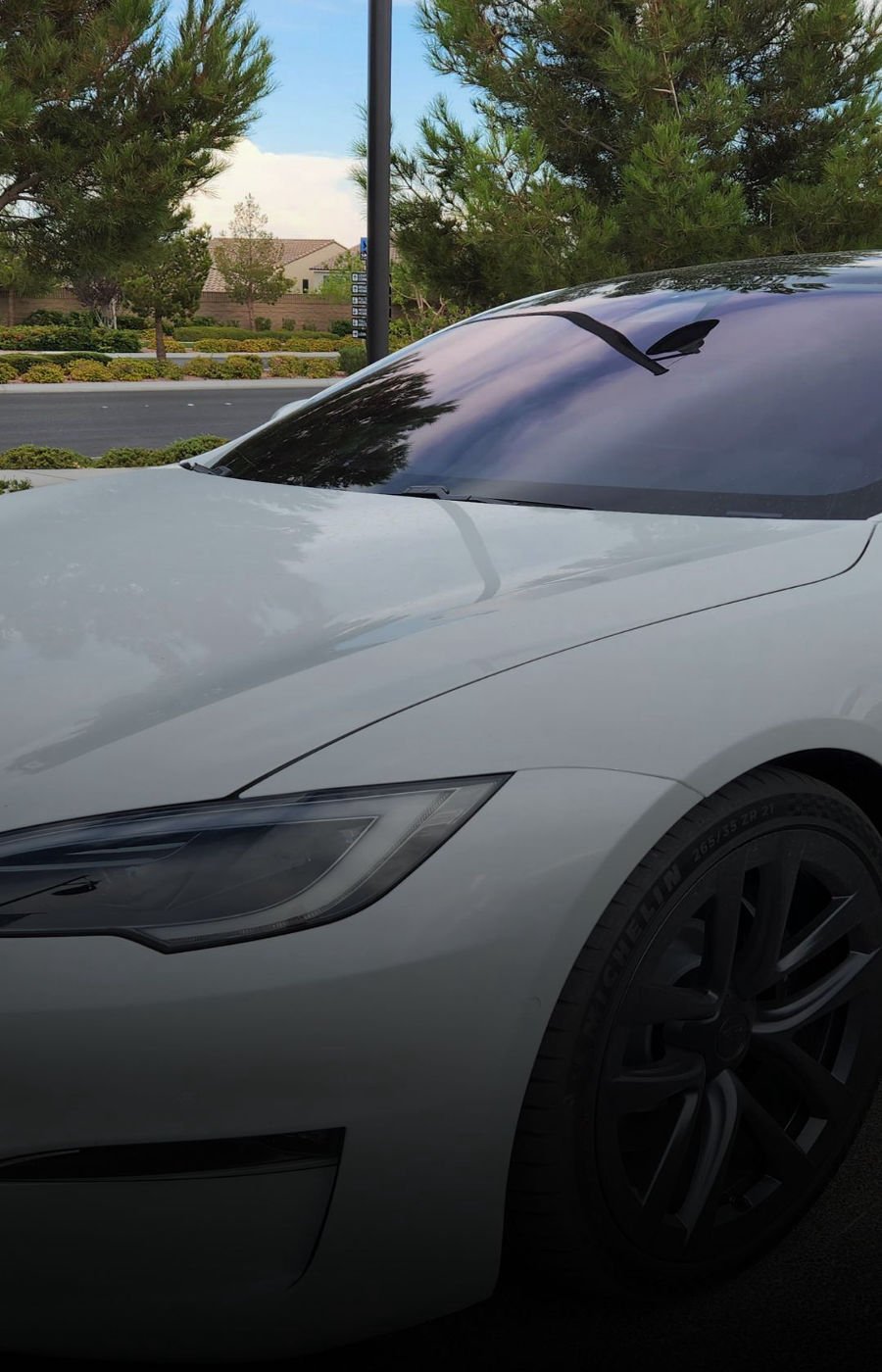
A Major Shift in Fremont — And Why It Matters
Tesla just made one of the most symbolic moves in its history — officially ending production of the Model S and Model X at its Fremont factory. These were the vehicles that helped put both Tesla and Fremont on the global stage.
But this isn’t just an automotive story.
Tesla is retooling the Fremont factory to manufacture Optimus humanoid robots — potentially up to one million units per year. That’s not a small pivot. It signals a deeper transformation of Silicon Valley’s economic engine, from electric vehicles to physical AI.
If you’re a tech professional, investor, or homeowner in the Bay Area, this matters.
In this post, we’ll break down:
-
What’s happening at the Tesla Fremont factory
-
Why Tesla is shifting away from luxury EVs
-
How Optimus production could reshape local employment
-
What this means for Silicon Valley real estate, Bay Area home buying, and the Santa Clara County market
Let’s dive in.
The End of an Era: Model S and Model X Production Stops
The Model S debuted in 2012 and changed the perception of electric vehicles worldwide. The Model X followed, adding Tesla’s now-iconic falcon-wing doors and further solidifying Fremont as a global EV manufacturing hub.
For more than a decade, these vehicles were built right here in the Bay Area.
But demand has flattened.
Despite price reductions and product refreshes, competition in the luxury EV space has intensified. Legacy automakers and global EV brands have entered aggressively, compressing margins and market share.
Meanwhile, Tesla’s Model 3 and Model Y now account for approximately 97% of total vehicle deliveries — making the S and X a shrinking slice of overall production.
From a business standpoint, Tesla is consolidating around its highest-volume, most scalable platforms.
From a local standpoint, Fremont is about to look very different.
From Electric Cars to Physical AI: The Optimus Pivot
Tesla plans to convert Fremont’s production lines into a next-generation manufacturing system capable of producing up to one million Optimus humanoid robots annually.
Let that sink in.
This isn’t simply retooling for another vehicle model — it’s an entirely new supply chain, new engineering focus, and new workforce composition.
Elon Musk has positioned Optimus as central to Tesla’s long-term strategy, describing the company less as a car manufacturer and more as a physical AI and robotics company.
For Silicon Valley, that’s significant.
Historically, we’ve seen major housing demand shifts tied to:
-
The rise of semiconductors
-
The internet boom
-
Social media
-
Cloud computing
-
AI software
Now we may be entering the era of AI hardware and robotics — manufactured locally.
What This Means for Fremont and Silicon Valley Jobs
When a company like Tesla shifts production priorities, it typically changes workforce dynamics in three ways:
1. Higher-Skilled Engineering Roles
Robotics manufacturing requires advanced AI engineers, robotics specialists, and systems integration experts. These roles often command high compensation packages.
2. Supply Chain Reconfiguration
A brand-new robotics supply chain could attract additional companies and suppliers to the Bay Area — strengthening the broader Silicon Valley ecosystem.
3. Long-Term Employment Stability
Unlike cyclical vehicle demand, AI and robotics could represent a more diversified revenue model, potentially stabilizing long-term employment in Fremont.
For Bay Area home buying trends, this is key. High-income tech workers drive demand in:
-
Fremont
-
Mountain View
-
Palo Alto
-
Cupertino
-
Santa Clara
-
Los Altos
If Fremont evolves into a robotics manufacturing hub, we could see increased demand for nearby housing — especially from senior engineers and AI executives.
How This Impacts Silicon Valley Real Estate
Let’s talk housing.
Major tech shifts historically correlate with real estate demand in the Santa Clara County market.
Here’s how Tesla’s pivot could play out:
Increased Demand for High-End Housing
If robotics becomes Tesla’s growth engine, we may see:
-
Executive-level hires relocating to Fremont
-
Expanded engineering teams
-
Stock-based compensation fueling home purchases
That typically supports:
-
Luxury homes in Fremont Mission District
-
Custom homes in Palo Alto and Los Altos
-
Newer developments in North San Jose
Continued Inventory Constraints
Silicon Valley real estate remains inventory-constrained. When demand rises — especially from high-income tech employees — prices tend to stay resilient.
Even if broader national markets soften, the Bay Area’s innovation-driven economy often provides a buffer.
Fremont’s Image Evolution
For years, Fremont was known primarily for manufacturing. With Optimus production, it could become globally recognized as the birthplace of scalable humanoid robotics.
That type of branding shift influences:
-
Commercial development
-
Infrastructure investment
-
Long-term property desirability
In real estate, perception matters — and tech-driven perception matters even more.
A Broader Trend: Tech Companies Reinventing Themselves
Tesla isn’t alone.
Across Silicon Valley, companies are:
-
Buying office buildings instead of leasing
-
Doubling down on AI
-
Consolidating core campuses
The region is becoming less about speculative expansion and more about strategic, long-term positioning.
For high-net-worth buyers and investors, that means focusing on:
-
Proximity to innovation hubs
-
School districts in high-demand areas
-
Properties with long-term appreciation fundamentals
In my data-driven analysis of the Silicon Valley real estate market, tech infrastructure investments often precede sustained housing demand — not the other way around.
And Fremont just received a major infrastructure signal.
Should Buyers and Investors Pay Attention?
Absolutely — but strategically.
Here’s what I advise clients (especially tech professionals and executives):
If You’re Buying:
-
Focus on areas within 20–30 minutes of major tech manufacturing or AI hubs
-
Prioritize properties with long-term livability (schools, amenities, commute efficiency)
-
Understand that robotics growth is a 5–10 year story, not a 6-month spike
If You’re Selling:
-
Monitor local employment announcements
-
Watch buyer traffic trends from Tesla and AI-related firms
-
Position your property with strong Silicon Valley branding
The Santa Clara County market tends to reward patience and long-term positioning — especially when innovation cycles are accelerating.
Conclusion: Fremont’s Next Chapter Is Bigger Than Cars
The Model S and Model X helped define Tesla’s first chapter — and elevated Fremont onto the global stage.
Now Tesla is betting its future on Optimus and physical AI.
For Silicon Valley real estate, this represents:
-
A potential new wave of high-income tech talent
-
Long-term employment diversification
-
Continued housing demand resilience in key Bay Area markets
If you’re navigating Bay Area home buying, investing, or considering selling in Fremont or greater Silicon Valley, understanding these macro tech shifts gives you a real advantage.
I specialize in helping tech professionals and high-net-worth clients make data-driven real estate decisions — ranking in the top 0.5% nationally with over $80M+ in annual production.
📩 Subscribe to my newsletter for weekly Silicon Valley market insights
📞 Schedule a private consultation to discuss your strategy in today’s evolving tech-driven market
Because where tech goes — real estate follows.