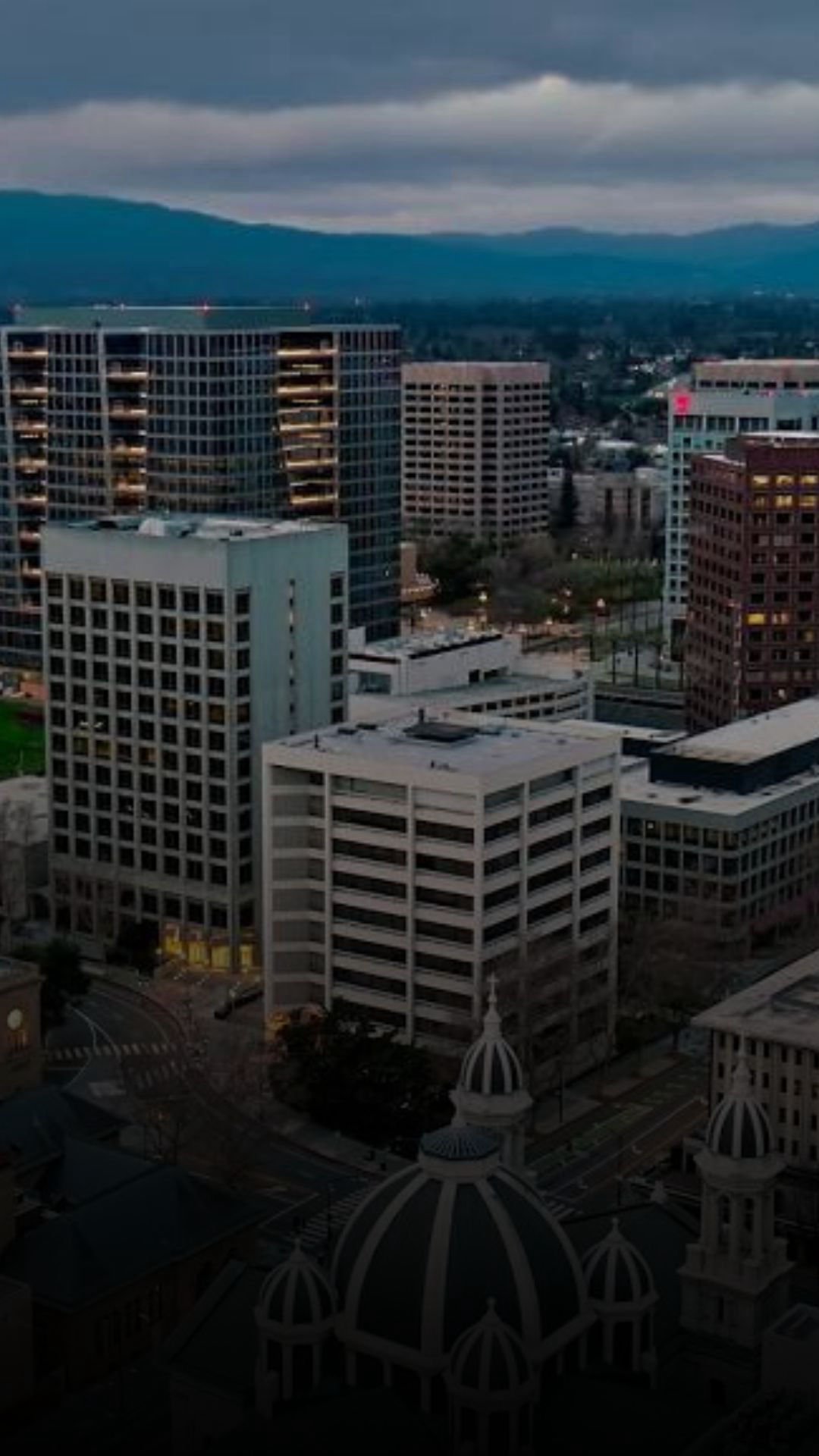
The Data Confirms What Locals Already Feel
If you live in San Jose or anywhere in Silicon Valley, this probably won’t come as a shock — but now the data makes it official.
According to Zillow, San Jose has ranked #5 among the hottest housing markets in the United States for 2026. And no, this isn’t about runaway price spikes or speculative frenzy.
The ranking reflects something far more structural — and far more important for long-term real estate strategy: persistent inventory shortages and sustained competition.
Even after years of higher interest rates and affordability challenges, Silicon Valley remains one of the most competitive housing markets in the country. Let’s break down what’s driving this ranking, what it means for buyers and sellers, and why waiting for San Jose to suddenly become “easy” may not be the winning move.
Why San Jose Ranked #5 on Zillow’s 2026 Hot Markets List
Zillow’s ranking methodology looks beyond price appreciation alone. Instead, it focuses on market velocity, inventory levels, and buyer competition — and that’s exactly where San Jose continues to stand out.
According to Zillow’s data:
-
Housing inventory in San Jose is still nearly 27% below pre-pandemic levels
-
Homes continue to sell quickly
-
Multiple-offer situations remain common
-
Demand continues to outpace supply
In other words, this is not a market cooling off — it’s a market stuck in structural undersupply.
That distinction matters.
Tight Inventory: The Core Driver of Silicon Valley Real Estate
The single biggest factor behind San Jose’s ranking is inventory — or more accurately, the lack of it.
Why inventory hasn’t rebounded:
-
Limited new construction in built-out neighborhoods
-
Homeowners locked into ultra-low mortgage rates
-
Zoning and land constraints across Santa Clara County
-
Strong job concentration in tech and AI-driven sectors
Even as some buyers stepped back due to interest rates, sellers never flooded the market. The result? A housing supply that remains dramatically below historical norms.
For Silicon Valley real estate, tight inventory acts like a pressure valve — keeping prices supported even when broader market conditions soften.
Price Growth Isn’t Explosive — But It’s Consistent
One of the most misunderstood aspects of this ranking is price behavior.
Zillow is not predicting dramatic price spikes in San Jose for 2026. Instead, it’s forecasting modest but steady price growth — the kind that reflects a healthy, supply-constrained market rather than a bubble.
This is actually good news.
Markets with controlled appreciation and fast absorption tend to be:
-
More resilient during economic uncertainty
-
Less volatile than boom-and-bust metros
-
More attractive to long-term buyers and investors
For homeowners, this is reassuring. For buyers, it’s a reminder that waiting for prices to fall meaningfully — without a major increase in supply — may not align with reality.
Competition Hasn’t Gone Away for Buyers
Despite higher borrowing costs, buyer competition in San Jose remains intense.
Well-priced homes in desirable neighborhoods continue to:
-
Receive multiple offers
-
Sell quickly after hitting the market
-
Attract strong interest from tech professionals and dual-income households
This is especially true in areas with:
-
Strong schools
-
Proximity to major tech corridors
-
Limited turnover
For Bay Area home buying, the challenge has shifted from “Can I afford it?” to “Can I compete for it?”
Why Silicon Valley Still Defies National Trends
National housing headlines often miss what makes Silicon Valley different.
Unlike many U.S. metros, San Jose benefits from:
-
A dense concentration of high-income jobs
-
Global demand for housing
-
Severe land and zoning constraints
-
A culture of long-term homeownership
These factors create price stickiness — values don’t fall easily because supply never catches up.
That’s why San Jose can rank among the hottest markets even without aggressive price growth. Demand simply doesn’t disappear.
What This Ranking Means for Sellers
For sellers, Zillow’s ranking reinforces several key realities:
-
You still hold leverage in most submarkets
-
Well-prepared listings are rewarded quickly
-
Timing the market is less important than execution
Low inventory means buyers have fewer choices — and that dynamic continues to favor sellers who price and position correctly.
What This Ranking Means for Buyers
For buyers, the takeaway is more nuanced — but still clear.
If you’re waiting for Silicon Valley to suddenly become “easy,” this data suggests that moment still isn’t here. However, there is a silver lining.
Steady price growth beats volatility.
Buying into a market with strong fundamentals, limited supply, and consistent demand often feels uncomfortable — but historically, that discomfort is part of the cost of entry.
And as frustrating as competition can be, it’s often better to buy into a rising market than sit on the sidelines hoping for conditions that may never arrive.
San Jose’s Outlook Within Santa Clara County
Within Santa Clara County, San Jose remains the economic backbone — and its housing market reflects that role.
As AI, infrastructure, and next-generation tech continue to expand locally, housing demand remains anchored to employment density. That’s a dynamic that doesn’t unwind easily.
For long-term owners, that’s exactly what you want.
Conclusion: The Market Isn’t Easy — And That’s the Point
San Jose ranking #5 among the hottest housing markets in the U.S. for 2026 isn’t about hype. It’s about fundamentals.
Low inventory.
Persistent demand.
Fast-moving listings.
If you already own, this ranking should feel reassuring — it confirms that prices continue to rise in a measured, sustainable way.
If you’re looking to buy, it’s a reminder that strategy matters more than timing.
Want data-driven insights like this before they’re obvious?
👉 Subscribe to the newsletter for Silicon Valley market intelligence
👉 Schedule a consultation to build a smart buying or selling plan in today’s market