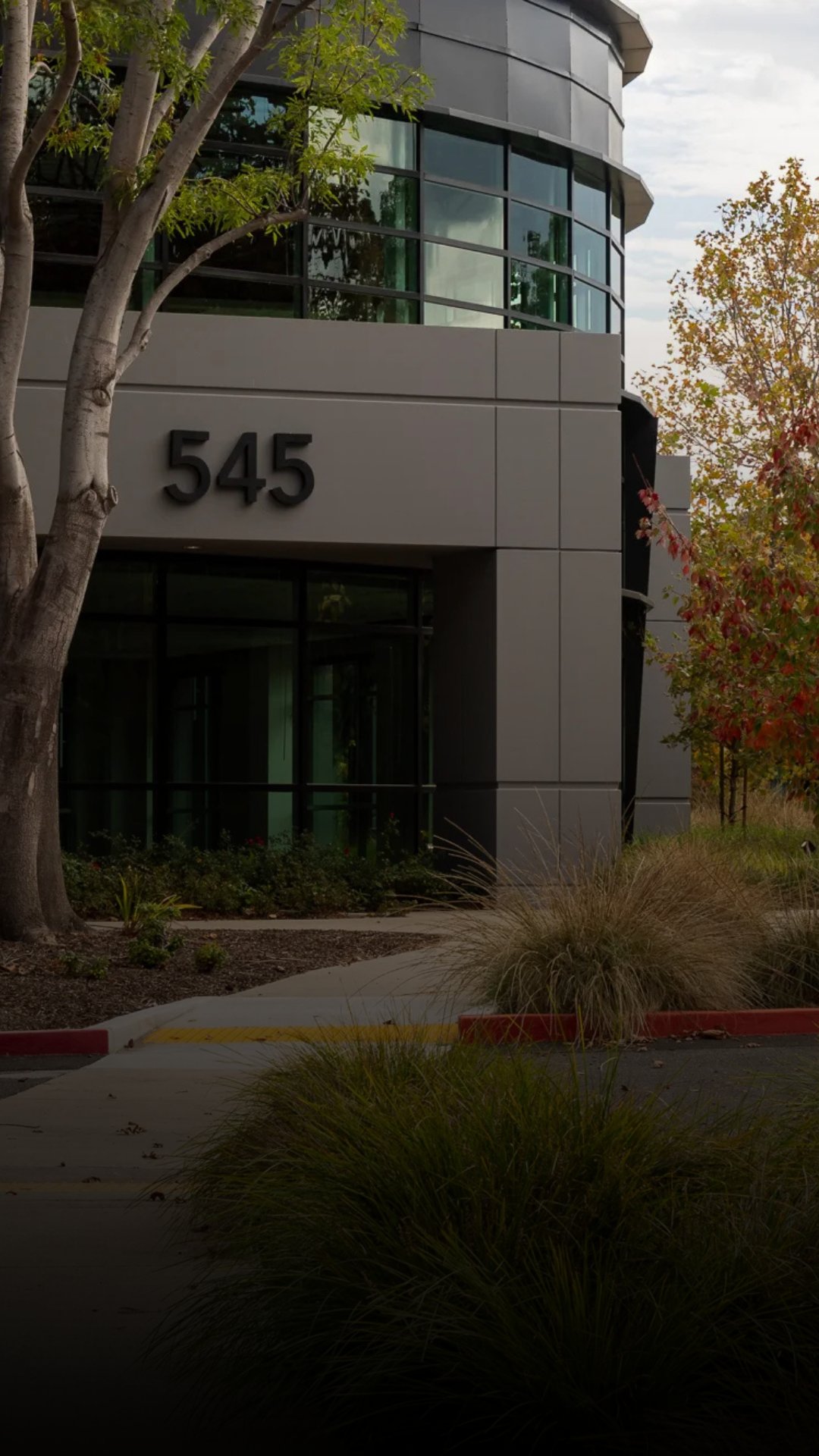
A New Development—and Bigger Questions
A major housing development just got approved in Mountain View—and it’s sparking important conversations about the future of Silicon Valley real estate.
The city recently gave the green light to a 195-unit rowhome project in the East Whisman area, replacing underutilized office buildings with nearly 200 three-story homes.
At first glance, this looks like progress.
More housing in a region defined by limited supply should be a positive move—especially in one of the most competitive markets in the Bay Area.
But like many developments in Santa Clara County, this project comes with trade-offs.
From affordability and density to environmental concerns and land use decisions, it reflects the complex reality of solving the region’s housing shortage.
In this article, we’ll break down:
- What this new development includes
- Why it matters for the local housing market
- What it signals for Bay Area home buying and future supply
Inside the East Whisman Housing Development
The newly approved project will transform a site previously occupied by vacant office buildings into a residential community of 195 rowhomes.
This shift—from commercial to residential use—is becoming more common across Silicon Valley as cities rethink how land is utilized in a post-pandemic world.
Key highlights of the project include:
- 195 total homes, primarily three-story rowhouses
- Located in the East Whisman neighborhood of Mountain View
- Replacement of older office properties with residential housing
- Inclusion of a smaller public open space for community use
From a planning perspective, this reflects a broader trend: converting underused office space into much-needed housing inventory.
With remote and hybrid work reducing demand for certain office assets, cities are increasingly looking for ways to repurpose land more efficiently.
The Affordability Factor: A Rare Opportunity
One of the most notable aspects of this project is its inclusion of below-market-rate housing.
Approximately 46 homes are designated as affordable units, targeting middle-income buyers.
In a market like Mountain View, where homeownership is often out of reach for many professionals—even those in tech—this is significant.
Unlike rental-focused affordable housing projects, this development is aimed at creating ownership opportunities, which are far less common.
Why this matters:
- It helps bridge the gap for buyers priced out of the market
- It supports long-term community stability through homeownership
- It introduces more diversity into a high-cost housing market
For buyers watching the Silicon Valley real estate landscape, opportunities like this are rare—and highly competitive.
The Trade-Offs: Density, Land Use, and Community Concerns
While the project adds much-needed housing supply, it hasn’t been without controversy.
City officials and community members have raised several concerns about how the land is being used.
Could There Have Been More Housing?
Some leaders argue the site had the potential to support even higher density, which could have helped address the housing shortage more aggressively.
In a region where supply remains one of the biggest constraints on affordability, every development decision carries weight.
What About Open Space?
Another point of debate is the size of the public park included in the project.
Critics suggest the development prioritizes housing density over larger community amenities, such as green space.
Environmental and Community Concerns
Additional concerns include:
- Tree removal on the site
- Environmental safety considerations
- The level of community input during the planning process
These challenges are common across developments in cities like Sunnyvale, Cupertino, and Palo Alto, where balancing growth with quality of life is an ongoing conversation.
What This Means for the Silicon Valley Housing Market
From a macro perspective, this project highlights a few key trends shaping the Santa Clara County market.
1. Office-to-Residential Conversions Are Increasing
As demand for traditional office space evolves, more cities are exploring ways to convert commercial properties into housing.
This could unlock new supply—but it’s not a simple process.
Zoning, infrastructure, and community approval all play major roles.
2. Incremental Supply Still Falls Short
While 195 homes is meaningful, it’s relatively small compared to the region’s overall housing demand.
Silicon Valley still faces a significant supply-demand imbalance, which continues to support long-term home values.
3. Affordability Remains a Core Challenge
Even with below-market-rate units included, the majority of homes will still be priced at market levels.
This reinforces a key reality:
Solving affordability in the Bay Area requires both increased supply and strategic policy decisions.
A Data-Driven Perspective for Buyers and Sellers
When I evaluate developments like this for clients, I’m not just looking at the headline numbers.
I’m analyzing how these projects impact:
- Future housing inventory
- Neighborhood desirability
- Long-term property values
For buyers, this type of development can create new entry points into competitive markets like Mountain View.
For sellers, it can signal increased competition over time, especially as more inventory comes online.
But the bigger picture is this:
Even with projects like this, supply is still constrained relative to demand—especially in high-demand job centers across Silicon Valley.
That’s why real estate decisions here require a forward-looking, data-driven approach.
Conclusion: Progress—With Trade-Offs
The East Whisman development in Mountain View is a step forward in addressing the region’s housing shortage.
It introduces:
- New housing inventory
- Rare ownership-based affordable units
- A shift toward more efficient land use
But it also highlights the complexity of development in Silicon Valley real estate.
Every project involves trade-offs between:
- Density and livability
- Housing supply and open space
- Speed of development and community input
For buyers, sellers, and investors, understanding these dynamics is critical.
Because in a market as competitive as the Bay Area, it’s not just about what’s being built—it’s about what that means for future supply, pricing, and opportunity.
With a track record in the top 0.5% nationally and over $80M+ in annual production, I help clients navigate these shifts with a clear, data-driven strategy.
👉 Subscribe to our newsletter or schedule a consultation to stay ahead of Silicon Valley housing trends and opportunities.