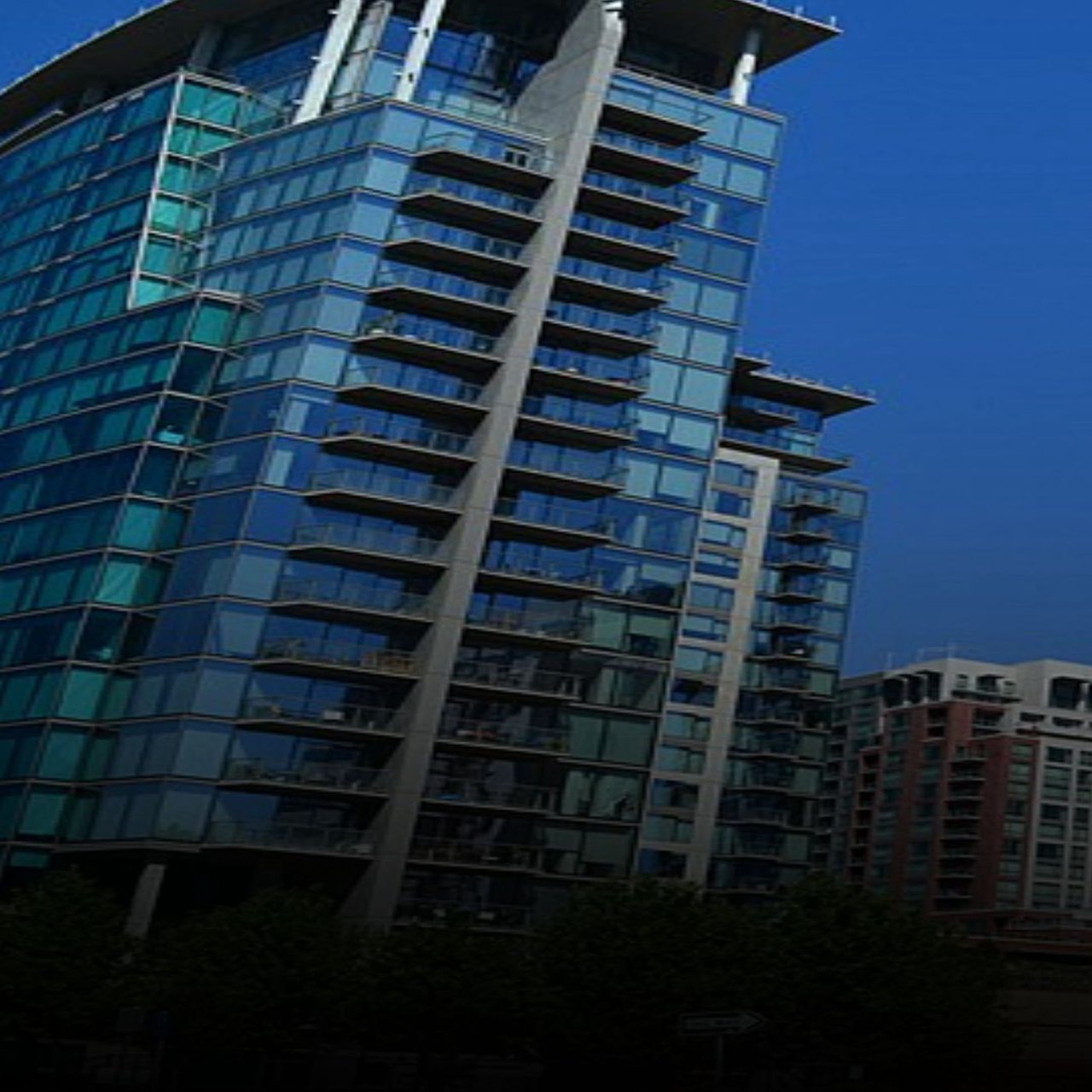
Downtown San Jose’s Long-Awaited Answer
A major housing project just got the green light in the heart of downtown San Jose—and it finally answers a question that’s been looming over the city for years:
What would actually get built downtown?
The City of San Jose has officially approved plans from Westbank to construct two high-rise residential towers at 35 South Second Street, replacing a surface parking lot with nearly 800 new homes. But this project is about more than just unit count—it reflects a deeper shift happening across Silicon Valley real estate.
As office demand remains soft and housing demand continues to outpace supply, developers are making decisive moves. This approval makes it clear: housing is now the priority in downtown San Jose.
In this article, we’ll break down:
-
What’s included in the approved project
-
Why office-heavy plans are being abandoned
-
How this fits into broader Silicon Valley development trends
-
What this means for buyers, renters, and investors in the Bay Area
H2: What’s Being Built at 35 South Second Street
Westbank’s approved development will deliver 768 new residential units to downtown San Jose, spread across two high-rise towers rising 27 and 28 stories.
Key project details include:
-
Approximately 11,000 square feet of ground-floor retail
-
Rooftop terraces and landscaped balconies
-
A full suite of resident amenities
-
Four levels of underground parking
From an urban planning standpoint, this project checks nearly every box the city has been pushing for: density, walkability, mixed-use design, and efficient land use in the downtown core.
Replacing a surface parking lot with high-density housing is a clear signal that San Jose is serious about reshaping its urban identity.
H2: From Office Vision to Residential Reality
One detail stood out during the approval process.
According to The Mercury News, this plan replaces an earlier 2021 proposal from Westbank that leaned heavily toward office space. That original concept featured:
-
A single, curving architectural tower
-
Hundreds of thousands of square feet of office space
-
A design tailored to pre-pandemic office demand
Fast forward to today, and that vision no longer fits the market.
Office absorption across Silicon Valley remains sluggish, financing for speculative office projects is difficult, and long-term tenant demand is uncertain. Housing, on the other hand, continues to face structural undersupply—especially in job-rich markets like Santa Clara County.
Developers aren’t guessing. They’re responding to what actually pencils.
H2: Westbank’s Broader Pivot Across Downtown San Jose
This project isn’t an isolated decision.
Westbank has been consistently swapping office-heavy proposals for housing projects throughout downtown San Jose. This mirrors a broader recalibration happening across the Bay Area:
-
Office space demand remains soft
-
Capital is more cautious and selective
-
Residential projects have clearer long-term fundamentals
In practical terms, this means developers are prioritizing uses with sustained demand—even if construction timelines and approvals remain challenging.
For Silicon Valley, this marks a meaningful shift in how downtown land is being valued and utilized.
H2: What This Means for Silicon Valley Real Estate
The approval of this project signals several important trends for the Silicon Valley real estate market:
1. Housing Is the Default Outcome
When developers reassess entitlements today, housing is increasingly the highest and best use—especially near transit and employment centers.
2. Density Is No Longer Optional
San Jose’s long-term growth depends on vertical development. Projects like this support retail, transit, and downtown vibrancy in ways office-only buildings no longer can.
3. Market Reality Is Driving Planning
This isn’t ideology—it’s economics. Housing demand remains strong, while office demand has fundamentally changed.
For tech professionals and high-income households, this reinforces why well-located urban housing continues to hold long-term value.
H2: What This Means for Buyers, Renters, and Investors
From a market strategy perspective:
-
Buyers: Downtown San Jose is increasingly positioned as a true live-work-play environment, not just a future concept
-
Renters: New supply helps, but demand for centrally located, amenity-rich units remains strong
-
Investors: Residential assets in downtown cores are aligning more closely with long-term demand than speculative office
In Bay Area home buying, supply matters—but location, job proximity, and lifestyle infrastructure matter more.
Conclusion: Housing Now Leads Downtown San Jose’s Future
The approval of Westbank’s 768-unit project at 35 South Second Street isn’t just another development milestone—it’s a directional signal.
For years, downtown San Jose was filled with plans that never fully matched market reality. This project shows what finally does:
housing, density, and livability.
If you want clear, data-backed insight into how San Jose development trends affect your real estate decisions—without hype or noise—
👉 Subscribe to the newsletter for Bay Area housing and market updates
👉 Schedule a private consultation to discuss your strategy in today’s shifting Silicon Valley market