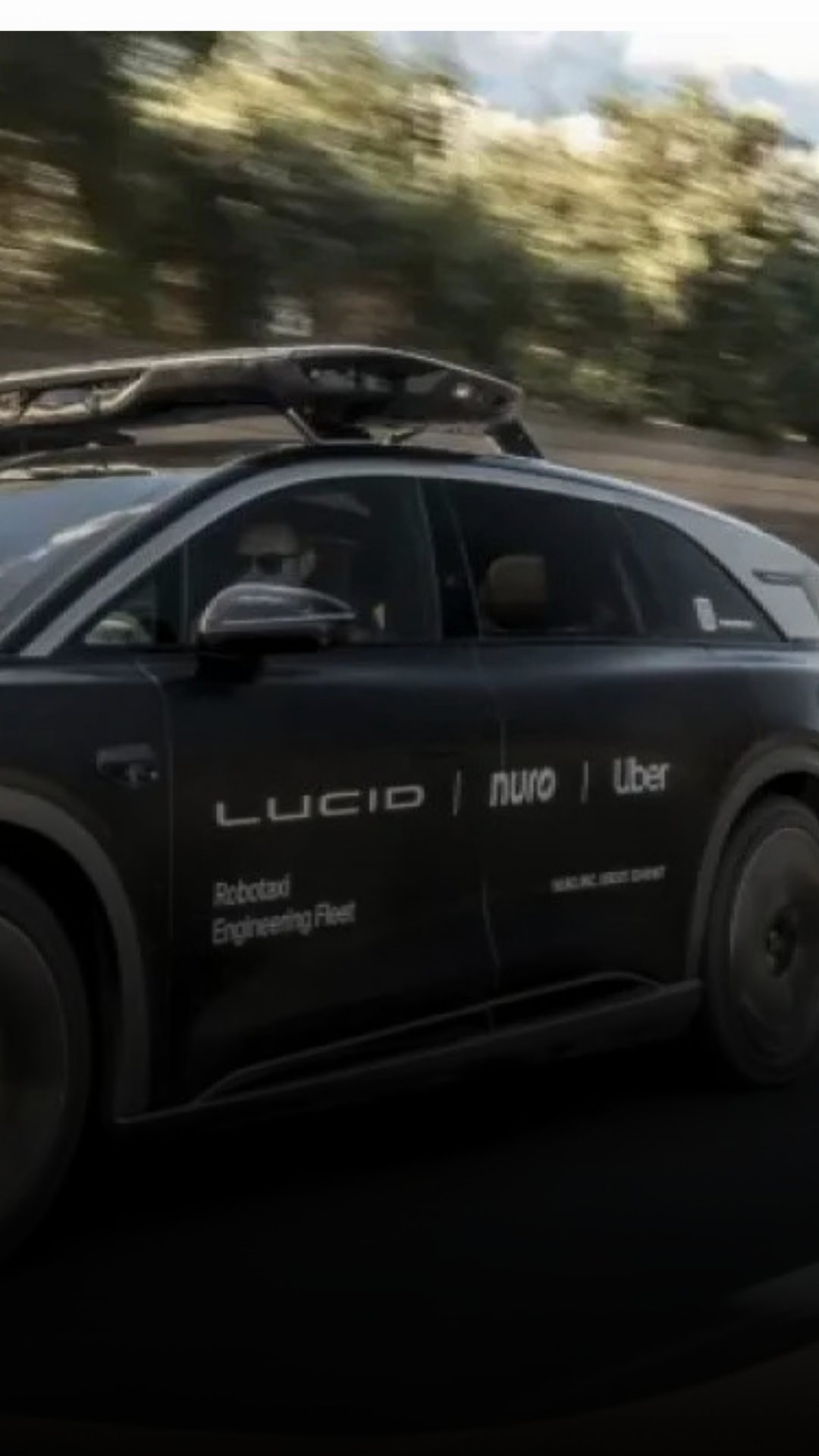
The Future of Transportation Is Arriving in Silicon Valley
The way people move around the Bay Area is about to change—dramatically.
Ride-hailing giant Uber is making a bold $1.25 billion investment into electric vehicle manufacturer Rivian, signaling a major push toward autonomous transportation.
But this isn’t just another tech headline.
This partnership is centered on deploying tens of thousands of robotaxis, with plans to launch 10,000 fully autonomous vehicles initially—and potentially scale to 50,000 by 2030.
And where does it all begin?
Right here in San Francisco, with the first rollout expected in 2028.
For most people, this sounds like a transportation story.
For those paying attention to Silicon Valley real estate, it’s much bigger.
Because shifts in how people commute have historically had a direct impact on where people choose to live—and what they’re willing to pay.
In this article, we’ll break down:
- What Uber’s robotaxi strategy actually means
- Why autonomous vehicles could reshape commuting patterns
- How this could impact Bay Area home buying and long-term property values
Uber + Rivian: A Major Bet on Autonomous Mobility
The partnership between Uber and Rivian reflects a broader shift happening across the tech industry.
Companies are no longer just competing on apps or platforms—they’re building integrated ecosystems that combine AI, electric vehicles, and automation.
Here’s what we know so far:
- Up to $1.25 billion investment into Rivian
- Deployment of 10,000 autonomous vehicles in early phases
- Potential expansion to 50,000 robotaxis globally by 2030
- Initial launch in San Francisco, followed by expansion to 25 cities worldwide
This isn’t happening in isolation.
Major players like Tesla, Waymo, and Apple are all investing heavily in autonomous driving technology.
The race is on to define the future of mobility.
And as usual, Silicon Valley is ground zero.
Why Robotaxis Could Change Commuting Forever
For decades, commuting has been one of the biggest factors shaping Silicon Valley real estate.
Proximity to major employers in cities like Mountain View, Cupertino, and Palo Alto has historically driven home prices higher.
But autonomous vehicles could start to shift that dynamic.
Here’s how:
1. Commute Time Becomes Productive Time
If you’re no longer driving, your commute becomes time you can use for work, calls, or relaxation.
That changes how people value distance.
2. Reduced Need for Car Ownership
Robotaxis could reduce the need for owning a personal vehicle—especially in dense urban areas like San Francisco.
3. Expanded Commuting Radius
If commuting becomes easier and less stressful, buyers may consider living farther from job centers.
That could increase demand in areas that were previously considered “too far.”
The Ripple Effect on Bay Area Real Estate
When transportation evolves, real estate markets tend to follow.
We’ve seen this before with:
- The expansion of highways
- The rise of Caltrain
- The growth of remote work
Autonomous vehicles could be the next major shift.
Increased Demand in Emerging Submarkets
If commuting becomes more flexible, areas further from core job hubs could see increased demand.
Cities like:
- San Jose
- Fremont
- Redwood City
could become even more attractive for buyers looking for space and value.
Potential Stabilization of Urban Pricing
At the same time, ultra-premium pricing tied strictly to location could start to normalize slightly if proximity becomes less critical.
That said, lifestyle factors—walkability, schools, and amenities—will still play a major role.
New Development Opportunities
Developers may start designing communities with:
- Reduced parking requirements
- More flexible transportation access
- Integrated mobility solutions
This could reshape how future housing is built across the Santa Clara County market.
Why Tech Trends Matter for Real Estate Strategy
Most buyers and sellers focus on current market conditions.
But the most successful real estate decisions are often based on where the market is going—not just where it is today.
That’s especially true in Silicon Valley, where technology trends often shape economic and housing trends years in advance.
As a real estate advisor working with high-net-worth clients and tech professionals across the Bay Area, I look at:
- Infrastructure shifts
- Capital investment trends
- Emerging technologies
Because these factors often signal future housing demand patterns.
Uber’s robotaxi investment isn’t just about transportation.
It’s about how people will live, commute, and choose where to buy homes over the next decade.
What This Means for Buyers and Sellers Today
While robotaxis won’t fully scale overnight, early adoption in San Francisco by 2028 is an important signal.
For buyers:
- You may start to see more flexibility in location choices over time
- Long-term appreciation could expand beyond traditional tech hubs
For sellers:
- Understanding future trends can help position your home more strategically
- Highlighting accessibility and transportation options may become even more important
For investors:
- Watching where infrastructure and technology intersect can uncover emerging opportunities
In a market as dynamic as the Bay Area, staying ahead of these shifts can create a real advantage.
Conclusion: The Bigger Picture for Silicon Valley Real Estate
Uber’s $1.25 billion bet on Rivian and autonomous vehicles is about more than just robotaxis.
It’s a signal that the future of transportation is being built right here in Silicon Valley.
And when transportation changes, real estate follows.
From expanded commuting flexibility to shifting demand across different cities, this could be one of the most important long-term trends shaping the Bay Area housing market.
If you're thinking about buying, selling, or investing in Silicon Valley real estate, understanding these macro trends is key.
With a data-driven approach and over $80M+ in annual production, I help clients make strategic decisions based on where the market is heading—not just where it is today.
👉 Subscribe to our newsletter or schedule a consultation to stay ahead of the next wave of Silicon Valley real estate trends.