Introduction
In a region known for AI startups, billion-dollar tech campuses, and rapid innovation, Silicon Valley’s restaurant scene is quietly becoming one of the strongest indicators of neighborhood growth and consumer demand.
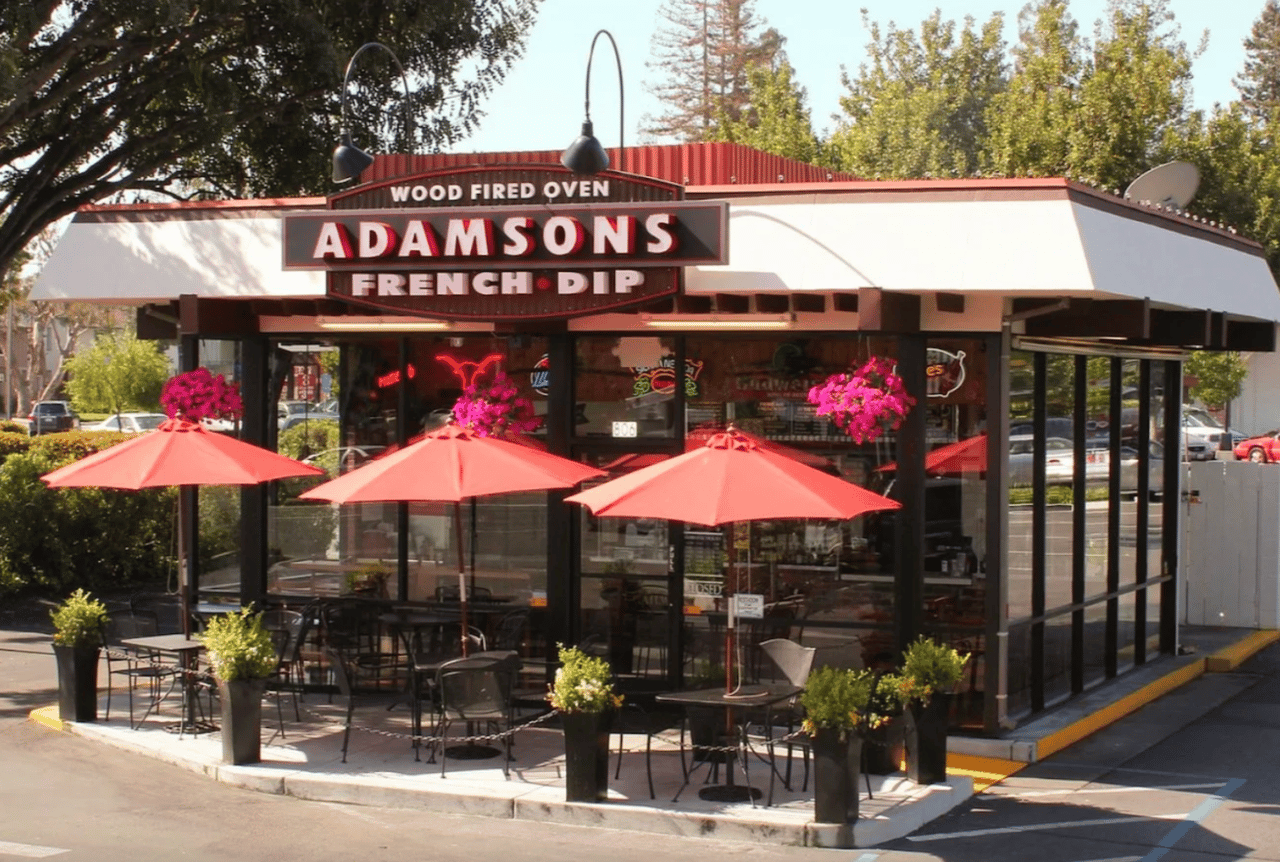
One of San Jose’s most popular sandwich concepts, Adamson’s French Dip, has officially opened a second location — a move that says a lot more about the local market than just roast beef sandwiches.
Known for its classic French dip served with rich au jus, Adamson’s built a loyal following at its original location through a simple formula: execute one product exceptionally well. Now, the expansion into a second San Jose location reflects a broader trend happening across the Bay Area: high-quality local businesses continue investing in Silicon Valley despite economic uncertainty.
For buyers, investors, and Bay Area residents, these kinds of expansions matter. They reveal where consumer demand is strongest, where neighborhoods continue to attract foot traffic, and where long-term community growth is still happening.
In this article, we’ll break down:
- Why Adamson’s expansion matters
- What it says about Silicon Valley consumer trends
- How restaurant growth impacts Bay Area real estate
- Why San Jose continues to attract investment and development
Why Adamson’s French Dip Is Expanding in San Jose
According to local reporting, Adamson’s French Dip has officially opened its second San Jose location after building a strong customer base at its original restaurant.
The concept is intentionally simple:
- Tender roast beef
- Classic French dip sandwiches
- Rich au jus dipping sauce
- Focused, high-quality menu
In Silicon Valley’s highly competitive food scene, simplicity often wins.
Restaurants that survive long term in the Bay Area usually do one of two things well:
- Deliver a highly differentiated experience
- Execute a focused concept consistently at a high level
Adamson’s appears to fall into the second category.
That matters because expanding a restaurant in the Bay Area is expensive. Commercial rents, labor costs, permitting, and operational overhead remain among the highest in California. Businesses generally do not expand unless demand justifies the risk.
For local residents and Bay Area real estate watchers, this signals continued consumer confidence in San Jose neighborhoods.
What Restaurant Growth Says About Silicon Valley
When people think about Silicon Valley real estate, they usually focus on:
- Interest rates
- Housing inventory
- Tech layoffs
- Home prices
- Return-to-office trends
But lifestyle infrastructure matters just as much.
Strong restaurant openings and expansions often indicate:
- Population stability
- Consumer spending strength
- Increased neighborhood activity
- Rising demand for walkable amenities
- Confidence from local business owners
This is especially important in cities like San Jose, where mixed-use development and urban growth continue accelerating.
As more tech professionals return to hybrid or in-office schedules, proximity to dining, entertainment, and lifestyle amenities becomes increasingly valuable again.
That shift affects both:
- Bay Area home buying behavior
- Silicon Valley real estate demand
Neighborhoods with strong local food scenes tend to retain buyer interest longer because they offer lifestyle value beyond just housing inventory.
San Jose Continues Building Momentum
San Jose has been evolving rapidly over the last several years.
While cities like Palo Alto, Mountain View, and Menlo Park remain premium tech hubs, San Jose continues positioning itself as a more balanced option for buyers seeking:
- More housing inventory
- Relative affordability
- Urban amenities
- Access to major employers
- Long-term growth potential
The city continues seeing investment across multiple sectors:
- New residential development
- Downtown revitalization
- Transportation improvements
- Retail and restaurant expansion
- Tech office growth
Food concepts like Adamson’s expanding locally reinforce that momentum.
In many ways, local businesses are confidence indicators. Owners understand neighborhood demand patterns extremely well because they experience them daily through customer traffic and spending behavior.
When strong local brands expand instead of contract, it usually reflects positive underlying economic conditions.
Why This Matters for Bay Area Real Estate
For tech professionals and high-income buyers, quality-of-life factors increasingly influence purchasing decisions.
Today’s Bay Area home buyers are not just evaluating square footage or commute times. They are also evaluating:
- Neighborhood culture
- Dining options
- Walkability
- Community activity
- Long-term livability
That is particularly true in Silicon Valley, where many buyers have demanding work schedules and prioritize convenience.
Areas with expanding retail and restaurant activity often become more desirable over time because they create stronger lifestyle ecosystems.
This doesn’t mean a sandwich shop alone changes property values overnight. But collectively, these local business trends contribute to:
- Stronger neighborhood identity
- Increased consumer activity
- Better long-term desirability
- Improved community perception
Over time, those factors absolutely influence real estate performance.
As a data-driven Bay Area real estate advisor, one of the biggest mistakes I see buyers make is focusing only on current pricing without paying attention to where long-term momentum is building.
Infrastructure, local business growth, and consumer demand patterns all matter.
Silicon Valley’s Competitive Edge Remains Strong
Despite concerns around tech layoffs, higher interest rates, and economic uncertainty, Silicon Valley continues demonstrating resilience.
The Bay Area still attracts:
- Venture capital
- High-income professionals
- Startup talent
- Global investment
- Entrepreneurial growth
And with that comes continued demand for high-quality experiences — including restaurants, retail, and lifestyle amenities.
Businesses that can successfully expand here are often operating in one of the most competitive consumer markets in the country.
That is part of why local expansions like Adamson’s are worth paying attention to.
They may seem small on the surface, but they reflect broader economic confidence within Silicon Valley communities.
Conclusion
Adamson’s French Dip opening a second San Jose location is more than just another restaurant story.
It reflects continued consumer demand, neighborhood growth, and ongoing confidence in Silicon Valley’s long-term future.
For Bay Area residents, home buyers, and investors, these local business trends help tell the bigger story of where momentum is building across the region.
As Silicon Valley continues evolving, the communities that combine strong housing demand with vibrant lifestyle amenities will likely remain some of the most resilient markets in the country.
If you want more updates on Silicon Valley real estate, Bay Area development trends, and the neighborhoods shaping the future of the region, subscribe to the newsletter or schedule a consultation to discuss your real estate goals.