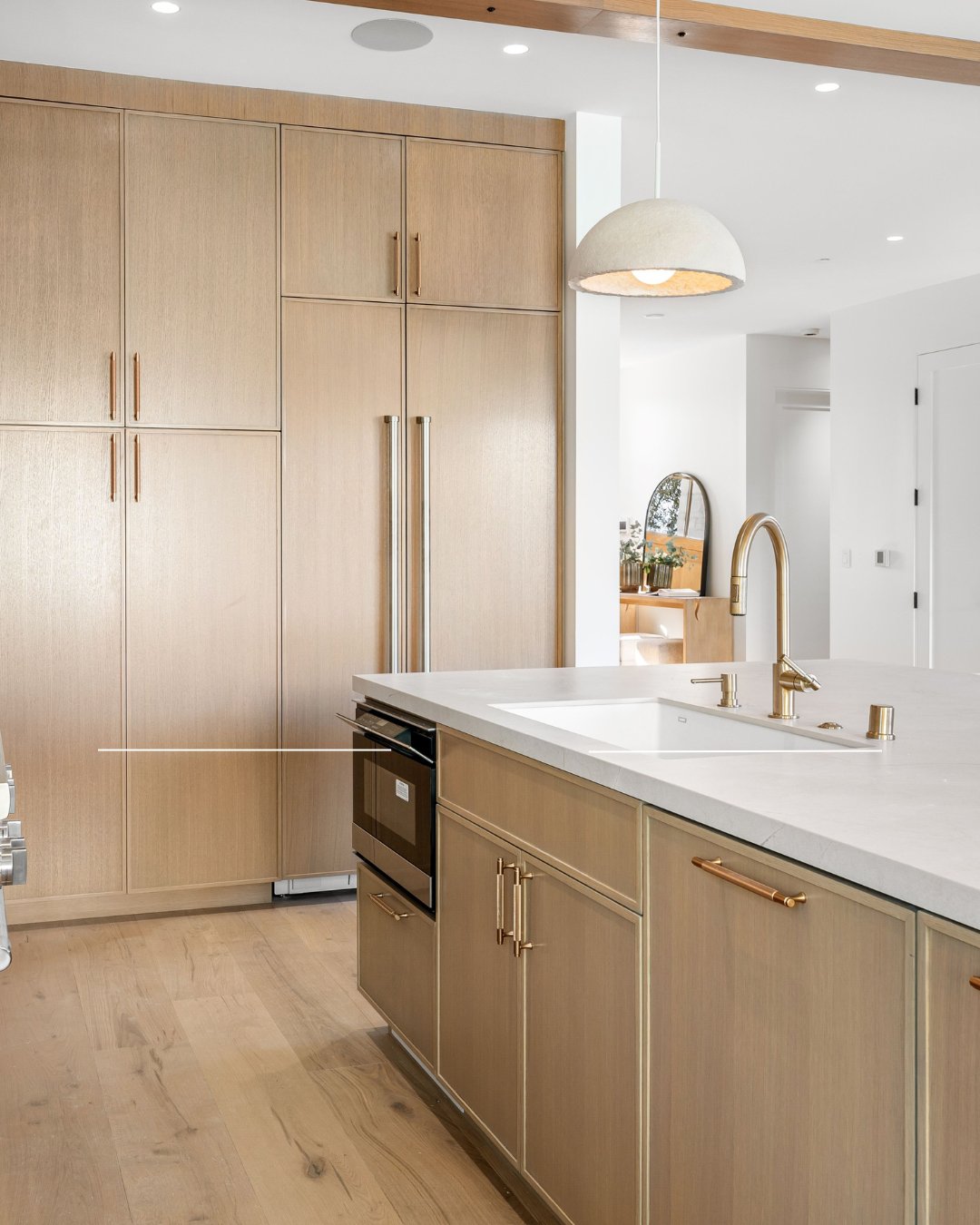
The End of the All-White Kitchen Era?
For nearly a decade, the all-white kitchen was the gold standard in modern home design. Walk through almost any listing in Silicon Valley, and you’d see the same formula: white shaker cabinets, white quartz countertops, and a clean minimalist aesthetic.
But design trends are shifting.
In 2026, natural wood cabinetry has officially overtaken white as the most popular kitchen cabinet choice among homeowners. Medium-tone woods are leading the trend, lighter finishes are gaining traction, and even darker wood tones are starting to make a comeback.
This isn’t just a design story—it’s a real estate story.
Kitchen design trends can directly influence buyer perception, home value, and resale potential—especially in competitive markets like San Jose, Mountain View, and Palo Alto.
If you're a homeowner thinking about remodeling—or preparing to sell—understanding where design trends are heading can make a real difference.
In this article, we’ll break down:
-
Why white kitchens are losing momentum
-
Why natural wood cabinets are trending in 2026
-
What these changes mean for Bay Area home buying and resale value
Why White Kitchens Dominated for So Long
The popularity of white kitchens wasn’t random.
The look became widely popular during the rise of modern farmhouse and minimalist interior design trends in the 2010s. Homeowners loved the aesthetic because it felt:
-
Bright and airy
-
Clean and modern
-
Neutral and widely appealing
For years, real estate agents and designers recommended white kitchens because they photographed well and helped homes feel larger—an important factor in competitive housing markets like the Santa Clara County housing market.
White kitchens also became a safe renovation choice. Sellers knew they could update a dated kitchen with white cabinets and immediately appeal to a broad group of buyers.
But like any trend that dominates for too long, eventually buyers start looking for something new.
And that’s exactly what’s happening now.
Natural Wood Cabinets Are Taking Over in 2026
Today’s buyers are gravitating toward warmer, more natural materials.
Instead of the stark white aesthetic that defined kitchens for years, homeowners are now leaning toward finishes that feel organic and textured.
Current kitchen trends show:
-
Medium-tone woods becoming the most popular cabinet finish
-
Light wood cabinetry gaining traction in modern and Scandinavian-style kitchens
-
Darker wood finishes returning in luxury home design
Wood cabinetry adds warmth and depth that many homeowners feel white kitchens lack.
This shift is happening across homes throughout the Bay Area, from renovated condos in San Francisco to luxury homes in Los Altos and Cupertino.
Designers are also mixing materials more creatively than before.
Instead of one uniform look, kitchens are increasingly combining multiple finishes.
Mixed Materials Are the New Luxury Kitchen Look
One of the most noticeable design shifts in 2026 is mixed cabinetry styles.
Homeowners are no longer sticking with one cabinet color throughout the entire kitchen. Instead, they’re layering textures and tones.
Some of the most popular combinations include:
Wood Lower Cabinets + Painted Uppers
This combination keeps the kitchen feeling warm while maintaining brightness.
Wood Kitchen Islands
Nearly 40% of homeowners are now incorporating wood into their kitchen islands, even when the rest of the cabinetry is painted.
Bold Accent Colors
Designers are pairing natural wood cabinetry with bold tones like:
-
Deep navy blue
-
Forest green
-
Charcoal gray
These color combinations create kitchens that feel more custom and high-end—something buyers in Silicon Valley real estate increasingly expect.
Why Kitchen Design Trends Matter in Real Estate
Many homeowners think design trends are purely cosmetic.
In reality, they can influence buyer psychology and perceived value.
When buyers tour homes in competitive markets like Sunnyvale or Fremont, the kitchen is often the most scrutinized room in the house.
A kitchen that feels dated—even if it functions perfectly—can impact how buyers evaluate the entire home.
This is especially important in the Santa Clara County market, where many buyers are tech professionals looking for move-in-ready homes.
Updated kitchens can influence:
-
Time on market
-
Offer competition
-
Final sale price
That’s why strategic renovations matter.
As a data-driven real estate advisor working with buyers and sellers across Silicon Valley, I’m not just evaluating whether something looks good—I’m evaluating how the market will respond to it.
Renovating Before Selling? Here’s the Strategic Approach
Not every kitchen remodel will increase your home’s value.
In fact, many homeowners overspend on renovations that don’t deliver strong returns.
If you're considering updating your kitchen before listing your home, the most important questions are:
-
What are buyers currently expecting in your price range?
-
Which upgrades actually improve resale value?
-
Which trends are likely to age well?
In higher-end markets like Palo Alto, Los Gatos, and Saratoga, buyers often expect more custom kitchen finishes.
But in mid-range markets, smaller strategic updates—like replacing cabinet fronts or adding a wood island—can deliver strong results without the cost of a full remodel.
This is where a data-driven renovation strategy becomes critical.
The goal isn’t just to make a home look better.
It’s to maximize resale value in the current Silicon Valley real estate market.
👉 Subscribe to our newsletter or schedule a consultation to stay ahead of Silicon Valley’s fast-moving housing market.