Introduction: From GoPro Headquarters to a New Residential Community
A former technology headquarters in San Mateo is getting a second life—and this time, it will be home to residents rather than a tech workforce.
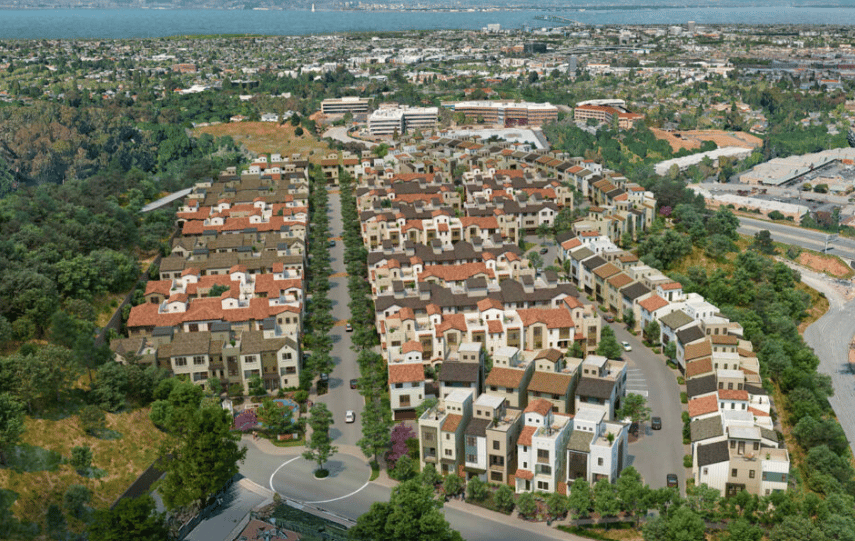
The former GoPro campus at 3000 Clearview Way has received Planning Commission approval for a proposed residential redevelopment featuring 222 for-sale homes. Perched on a hillside above Highway 92, the property is located roughly two miles from Hillsdale Caltrain Station and offers views toward the Bay.
The project is an example of a broader trend worth watching across the Bay Area: underutilized office properties being considered for residential use as companies rethink their real estate footprints and communities look for additional housing.
For homebuyers, investors, and local residents, this San Mateo housing development raises several important questions. What types of homes are planned? How much affordable housing is included? And could projects like this help reshape the Peninsula's housing market?
Let's break down the proposal and what it could mean for San Mateo and the wider Silicon Valley real estate landscape.
Project details in this article are based on the supplied development summary. Planning approval does not necessarily mean construction has begun or that every design detail is final; readers should confirm current project status and final plans with the City of San Mateo.
1. What Is Planned for the Former GoPro Campus?
The proposed redevelopment would transform the former GoPro headquarters into a residential neighborhood with a mix of attached and detached homes.
According to the supplied project details, the plan includes:
222 for-sale residential units across the site.
149 townhome-style units distributed among 22 buildings.
73 detached single-family homes.
33 deed-restricted affordable homes for moderate-income households.
474 parking spaces for residents and visitors.
Three- and four-bedroom floor plans designed for a range of household needs.
The project was designed by KTGY, with three architectural styles planned across the development: Spanish, Modern French, and Modern Farmhouse.
This mix of housing types could appeal to buyers looking for more space than a typical condominium offers. Three- and four-bedroom homes may be particularly relevant to families, professionals who work remotely, and buyers who want dedicated office space.
The inclusion of detached homes and townhome-style residences also provides different options within a single development. Buyers will still need to compare the final floor plans, pricing, HOA costs, lot sizes, and included features once those details are available.
For San Mateo, the project represents a potential change in how an established commercial property is used. Instead of serving primarily as an office campus, the site could become a neighborhood where people live, commute, and build their daily routines.
2. Location: Hillside Living Near Highway 92 and Caltrain
Location is one of the most interesting aspects of this development.
The former campus sits above Highway 92, with the supplied project description noting views toward the Bay. It is also approximately two miles from Hillsdale Caltrain Station, giving residents potential access to Peninsula rail service.
For buyers considering San Mateo real estate, these location features deserve a closer look.
Commuting options: Highway 92 connects the San Mateo area with other parts of the Peninsula and the East Bay. Hillsdale Caltrain Station can provide another option for people commuting along the Peninsula corridor. Actual travel times will depend on the destination, traffic, and transit schedule.
Access to Peninsula employment centers: San Mateo sits between major employment hubs in San Francisco and Silicon Valley. For technology professionals who need to travel to different offices, this regional positioning may be useful.
A residential setting: The hillside location and potential Bay views could distinguish the development from homes in denser, flatter parts of San Mateo. Buyers should confirm which homes will have views and whether those views are protected from future development.
Everyday convenience: Distance to a train station is only one part of the picture. Buyers should also evaluate walking routes, local shopping, schools, parks, road access, and the practical experience of getting to and from the property.
A useful reminder for homebuyers: don't evaluate a property based solely on a map. Test the commute, inspect the surrounding streets, and understand how the location works during a normal weekday.
3. Why the Project Matters for Bay Area Housing Supply
The Bay Area has long faced a difficult housing challenge: strong demand in many employment centers alongside limited housing options and high home prices.
Redeveloping an existing office campus into homes is one way cities and developers are exploring additional residential supply without relying exclusively on undeveloped land.
The former GoPro property illustrates the concept. An existing commercial site could be repurposed to accommodate hundreds of households, introducing a different use into an established part of San Mateo.
The project also includes 33 deed-restricted affordable homes for moderate-income households. These units represent a portion of the planned housing and are intended to serve buyers who meet the applicable eligibility requirements. The final affordability rules, pricing, and application process should be confirmed through the project's official materials.
The remaining homes would be offered as market-rate housing, according to the supplied description.
While 222 homes won't solve the Bay Area's housing shortage on their own, projects of this type can contribute to the region's broader housing pipeline.
There are important limitations, however. A planning approval is one milestone, not a guarantee of immediate housing availability. Financing, construction costs, permitting, infrastructure, and market conditions can all affect when homes are completed and offered for sale.
For buyers tracking new construction in San Mateo County, it is worth distinguishing between projects that are proposed, approved, under construction, and actively selling. Those stages can have very different implications for when a buyer might move in.
4. Senate Bill 330 and the Push for More Housing
The supplied project summary says the redevelopment used California's Senate Bill 330, a state law intended to help streamline housing development and limit certain barriers to residential approvals.
Known as the Housing Crisis Act of 2019, SB 330 includes measures designed to make housing approvals more predictable and restrict certain local actions that can delay or reduce qualifying housing projects.
Its role in a particular development depends on the project's eligibility and the specific approvals involved. It does not eliminate every planning requirement or guarantee that a project will proceed on a particular schedule.
Why does this matter for Silicon Valley real estate?
Converting commercial property to housing can be complicated. Office campuses may have existing infrastructure, access roads, grading challenges, or zoning conditions that need to be addressed before homes can be built. State housing laws can influence how eligible projects move through the local approval process.
The former GoPro campus is part of a larger conversation about how the Peninsula can make better use of existing land as workplace needs evolve.
As companies adjust their office footprints, some commercial sites may become candidates for redevelopment. But not every vacant office building is suitable for housing. Building layouts, site conditions, financing, and local planning rules all affect whether conversion is practical.
For residents and buyers, the important question is not simply how many office properties might be available. It is which sites can realistically become homes, how long the process will take, and whether the resulting housing meets local needs.
5. What Buyers and Investors Should Watch Next
For people following San Mateo housing development and the wider Peninsula market, the former GoPro campus offers several factors to monitor.
Construction timeline: Watch for updates on permits, financing, groundbreaking, and expected completion.
Pricing and sales releases: Compare launch prices with similar townhomes and single-family homes in San Mateo and neighboring communities.
Affordable housing eligibility: Follow official announcements for income limits, pricing, and the process for applying to purchase an affordable unit.
Transportation and infrastructure: Look for details on traffic management, parking, pedestrian access, and connections to nearby transit.
Final home designs: Review floor plans, lot sizes, outdoor space, HOA obligations, and which properties may offer Bay views.
For buyers, the most important step is to compare the actual cost of ownership rather than focusing only on the advertised price. Mortgage payments, property taxes, insurance, HOA fees, and maintenance can significantly affect affordability.
For investors, future demand and resale potential should be evaluated against local comparable sales, broader market conditions, and the timing of new housing supply. A prominent redevelopment can change a neighborhood, but it does not automatically guarantee appreciation.
Conclusion: A New Chapter for San Mateo Real Estate
The proposed transformation of GoPro's former headquarters into 222 homes highlights an important trend in Bay Area development: commercial properties can sometimes serve a new purpose as residential needs evolve.
With townhome-style residences, detached homes, and deed-restricted affordable units, the project could add a new mix of housing options to San Mateo. Its hillside location and access to Highway 92 and Hillsdale Caltrain Station also make it worth following as the project moves through its next stages.
For homebuyers, tech professionals, and investors, the takeaway is to look beyond the headline. Track the approval and construction timeline, evaluate the location in person, and compare the eventual homes with other opportunities across San Mateo County.
Want more data-driven insights on Silicon Valley real estate and Bay Area development? Subscribe to the newsletter or schedule a consultation to discuss your home-buying or selling strategy.