Introduction
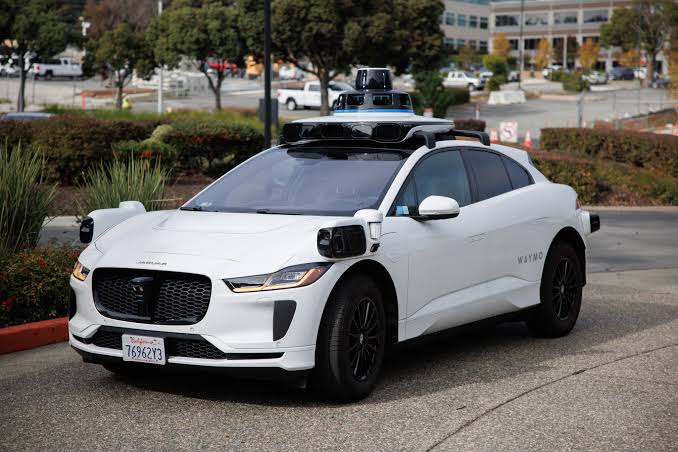
Quick answer: Yes, you can live in Silicon Valley without a car, but it depends on where you live and where you work. Living near a Caltrain station on the Peninsula or a BART station in the East Bay gives you a reliable, traffic-free commute, especially to San Francisco. Waymo driverless cars now cover San Francisco down the Peninsula to San Jose, filling in the trips that trains don't reach.
Getting around the Bay Area without a car may seem nearly impossible to newcomers. In reality, it comes down to your commute situation.
If you work in San Francisco, it is often more efficient to get there without a car. Traffic on Highway 101 and I-280 can turn a 40-mile drive into a long, unpredictable commute, while trains run on a fixed schedule.
In this article, we'll break down:
- How Caltrain works for Peninsula and South Bay commuters
- How BART connects the East Bay and San Jose
- Where Waymo and other robotaxis operate today
- The best places to live for a car-light lifestyle
Caltrain Serves the Peninsula and South Bay
On the west side of the Bay, Caltrain runs from San Jose up the Peninsula to San Francisco, with 31 stations along the way. Since switching to electric trains in 2024, express trains make the trip between San Jose and San Francisco in about 59 minutes.
One detail newcomers often miss: Caltrain doesn't go all the way into downtown San Francisco. The line ends at 4th and King Street, so expect roughly a 20-minute walk to downtown offices. Many commuters enjoy it as a leisurely walk in the morning or after work. A planned extension to the Salesforce Transit Center is still years away.
Why commuters like Caltrain:
- No traffic, on a predictable schedule
- Comfortable seating, with tables where many people work
- Electric trains with faster, more frequent service
- Stations in nearly every Peninsula and South Bay city
- About 42,000 average weekday riders in early 2026
If a car-free commute is your goal, look for a home within walking or biking distance of a Caltrain station. There are plenty of options throughout the Peninsula.
BART Connects the East Bay and San Jose
To get right into downtown San Francisco, BART is usually the better option. It runs mainly through the East Bay and goes directly under the Bay into the city's financial district.
BART reaches as far south as Berryessa station in San Jose. To the east, the line ends at Dublin/Pleasanton, an area popular with families because of its strong schools. To the north, it runs through Berkeley, Walnut Creek, Concord and many more stops.
Key BART connections for newcomers:
- Berryessa/North San José: the South Bay gateway to BART
- Dublin/Pleasanton: family-friendly with highly rated schools
- Walnut Creek and Concord: suburban living with a direct line to San Francisco
- Berkeley: university town with easy city access
- Millbrae: connects BART and Caltrain at one station
Waymo Covers San Francisco Down to San Jose
The Bay Area now has fully driverless cars available to the public. Waymo began freeway trips in San Francisco, the Peninsula and the South Bay in November 2025, and added rides to and from San José Mineta International Airport (SJC).
On October 27, 2026, Waymo announced another expansion. Its Bay Area service area now runs from San Francisco down the Peninsula to San Jose and Campbell, including a connection to BART at Berryessa station.
Waymo is also tying itself to public transit:
- Caltrain partnership: Waymo is leasing 40 dedicated parking spaces at Caltrain stations to pick up train riders
- Transit rewards: a $2.85 Waymo credit when you combine a ride with transit within two hours, using the same Visa card
- Accepted with 27 Bay Area transit agencies
Tesla also operates a robotaxi service in the Bay Area. As of October 2026, those rides still have a safety driver behind the wheel, so it isn't fully driverless yet here. I expect both services to keep expanding over time.
Uber, Lyft and the Privacy of Driverless Rides
Of course, Uber and Lyft are available across the Bay Area for any trip trains and robotaxis don't cover.
The difference with driverless cars is privacy. There is no driver, so you can take calls, work or simply relax without small talk. For tech professionals with long hours, that matters.
A realistic car-light routine might look like this:
- Caltrain or BART for the daily commute
- Waymo for trips from the station to home or the office
- Uber or Lyft for areas outside robotaxi coverage
- An occasional rental or car share for weekend trips
Where to Live for a Car-Light Lifestyle
Your commute should shape your home search. The right location can save you hours each week and, for some households, the cost of a second car.
If you work in San Francisco, consider:
- Peninsula cities along Caltrain, such as Burlingame, San Mateo, Redwood City and Palo Alto
- Millbrae, for access to both BART and Caltrain
- East Bay cities along BART, such as Walnut Creek and Dublin
If you work in the South Bay, consider:
- Mountain View and Sunnyvale near Caltrain and tech campuses
- Downtown San Jose and Santa Clara
- North San Jose and Milpitas near Berryessa BART
A home near transit can also hold its value well over time, because demand for easy commutes doesn't go away.
Frequently Asked Questions
Can you live in Silicon Valley without a car?
Yes, if you live near a Caltrain or BART station and your workplace is also near transit. Waymo, Uber and Lyft cover most other trips across San Francisco, the Peninsula and San Jose.
How long does Caltrain take from San Jose to San Francisco?
Express trains take about 59 minutes. Caltrain ends at 4th and King Street, so plan for roughly a 20-minute walk or a short transit ride to downtown San Francisco.
Does BART go to San Jose?
Yes. BART's southernmost station is Berryessa/North San José, which also connects to Waymo's service area.
Where does Waymo operate in the Bay Area?
As of October 2026, Waymo's service area runs from San Francisco down the Peninsula to San Jose and Campbell, including some freeway trips and San José airport (SJC). Check the Waymo app for exact coverage at a specific address.
Is Tesla Robotaxi driverless in the Bay Area?
Not yet. As of October 2026, Tesla's Bay Area robotaxi rides still include a safety driver.
Conclusion
Living in Silicon Valley without a car is realistic today, as long as you choose your location around your commute. Caltrain and BART remove traffic from your day, while Waymo and other robotaxis increasingly handle the trips in between.
For buyers relocating to the Bay Area, transit access should be part of the home search from the start. It affects your daily quality of life, your monthly costs and, over time, your home's long-term value.
As a data-driven Bay Area real estate advisor ranked in the top 0.5% nationally with over $80M in annual production, I help clients analyze not only properties — but the long-term direction of the markets they're buying into.
📩 Subscribe to the newsletter for weekly Bay Area development updates and Silicon Valley real estate insights.
📅 Schedule a consultation to discuss your real estate goals and investment strategy across the Peninsula and Bay Area markets.
Sources: Caltrain, Waymo announcements (Nov. 2025, Sept. 2026 and Oct. 2026), KQED, Electrek, Sustainable Bus, Tesla Robotaxi Tracker. Service areas change frequently; check each provider's app for current coverage.