AI Spending Is Reshaping Silicon Valley Real Estate
If you’re wondering whether AI investment is slowing down, here’s your answer: it’s accelerating — at scale.
Alphabet Inc. just raised $32 billion in global bond sales in 24 hours, according to Bloomberg L.P.. The offering included $20 billion in U.S. corporate bonds and even an ultra-rare 100-year bond, setting records in the U.K. and Switzerland.
This comes on the heels of a $17.5 billion bond deal last year — and alongside projections that capital spending could reach $185 billion, largely driven by AI infrastructure.
More data centers.
More computing power.
More long-term AI investment.
For those of us tracking Silicon Valley real estate, this isn’t just a finance story. It’s a forward-looking signal for employment, infrastructure expansion, and Bay Area home buying demand.
In this breakdown, I’ll explain:
-
Why Alphabet’s bond raise matters
-
How AI infrastructure impacts the Peninsula and Santa Clara County market
-
What tech professionals and high-net-worth buyers should be watching
-
How this could shape Silicon Valley real estate over the next 3–5 years
As a data-driven advisor ranking in the top 0.5% nationally with over $80M in annual production, I focus on signals — not noise.
This is a major one.
Alphabet’s $32 Billion Bond Raise: Why It’s Significant
Large bond offerings are typically used to fund long-term capital expenditures. In this case, the driver is clear: AI infrastructure.
Key highlights:
-
$32 billion raised globally in 24 hours
-
$20 billion in U.S. corporate bonds
-
Record-setting bond sales in the U.K. and Switzerland
-
Inclusion of a rare 100-year bond
-
Projected $185 billion in capital spending tied largely to AI
Companies issue 100-year bonds when they’re thinking generationally. That alone tells you this isn’t a short-term experiment — it’s a structural shift.
AI infrastructure requires:
-
Massive data center expansion
-
Specialized semiconductor procurement
-
Advanced cloud architecture
-
Increased engineering headcount
For Silicon Valley, that translates directly into sustained demand for high-income talent.
And high-income talent drives housing demand.
AI Infrastructure and the Bay Area Employment Engine
When Alphabet invests at this scale, it creates ripple effects throughout the ecosystem.
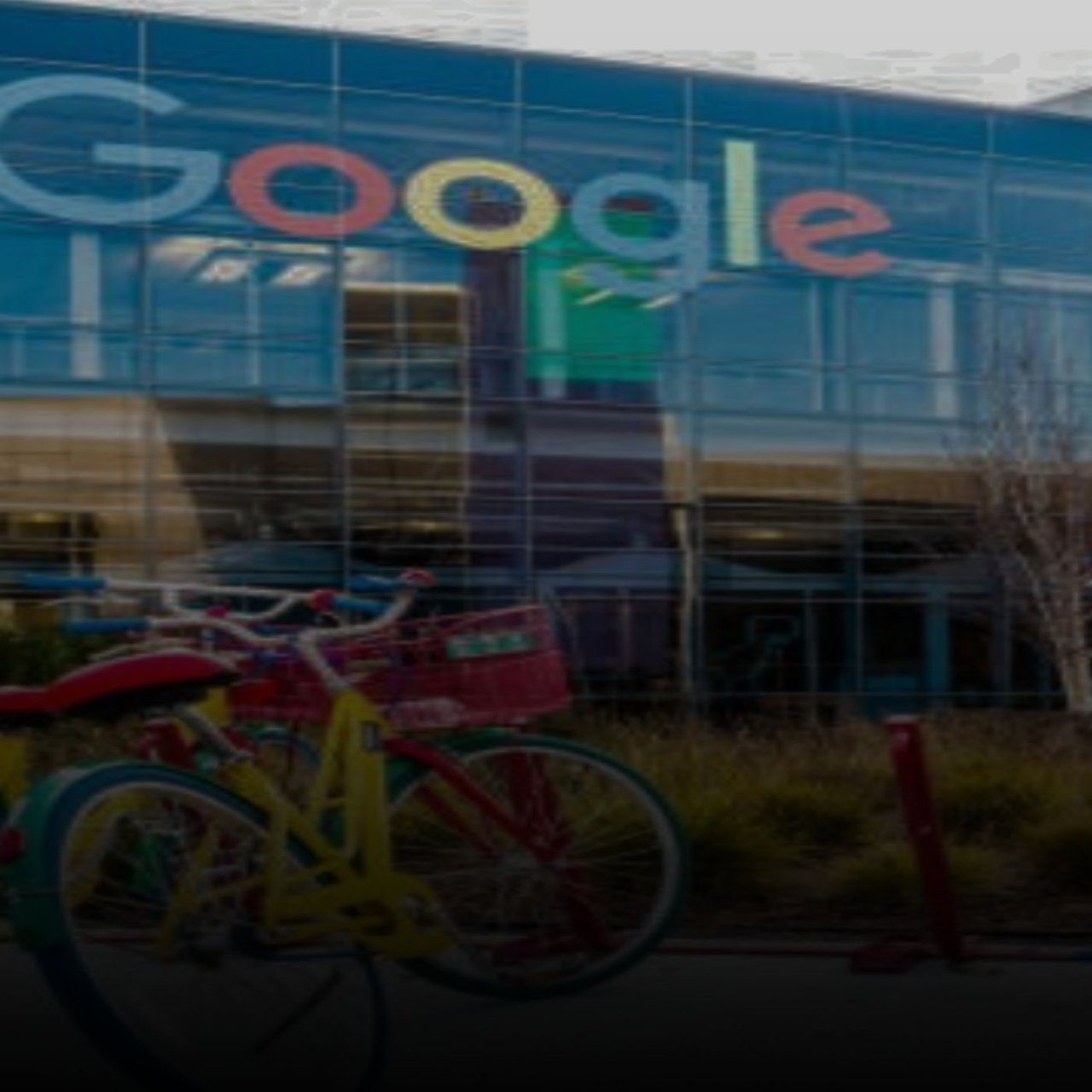
Google, as Alphabet’s core operating subsidiary, already anchors major campuses in:
-
Mountain View
-
Sunnyvale
-
San Jose
-
The broader Peninsula corridor
AI expansion means continued hiring across:
-
Machine learning engineers
-
Infrastructure architects
-
Data scientists
-
Hardware and chip specialists
Even if some data centers are built outside California, the design, management, and strategic leadership roles remain heavily concentrated in Silicon Valley.
This is critical for the Santa Clara County market.
High-salary AI roles often exceed $250,000–$500,000 in total compensation. That income level supports:
-
Luxury condo purchases
-
$2M–$4M single-family homes
-
High-end new construction
-
Investment property acquisition
When capital flows into AI at record levels, it reinforces long-term income growth in the region.
What This Means for Silicon Valley Real Estate
Let’s connect this directly to market fundamentals.
1. Sustained Buyer Demand
AI investment strengthens employment confidence. Confident employees make long-term housing decisions.
We’ve already seen that even during tech recalibration cycles, prime submarkets in:
-
Cupertino
-
Mountain View
-
Palo Alto
-
Sunnyvale
remain supply-constrained.
In an environment where AI capital expenditures are expanding, demand is unlikely to collapse.
2. Luxury Market Resilience
High-net-worth individuals tied to AI growth — founders, early employees, and senior executives — drive the upper tier of Silicon Valley real estate.
Large liquidity events often follow infrastructure build-outs. While timing varies, historically:
Capital investment → Talent growth → Equity appreciation → Luxury purchasing.
The ripple effects can take years — but they are durable.
3. Rental Market Stability
Not every AI hire purchases immediately. Many start in luxury rentals near:
-
Downtown Mountain View
-
Santa Clara
-
Sunnyvale
-
North San Jose
Strong rental demand supports investor confidence and keeps vacancy rates tight in desirable tech corridors.
The Bigger Picture: AI as a Structural Shift, Not a Cycle
It’s important to distinguish hype from infrastructure.
Speculative bubbles tend to:
-
Avoid long-term debt commitments
-
Over-index on short-term revenue spikes
-
Lack capital discipline
Alphabet’s bond strategy signals the opposite:
-
Institutional confidence
-
Long-term capital planning
-
Global investor appetite
Issuing bonds — especially ultra-long-term ones — reflects strategic certainty.
For the Bay Area, AI isn’t a temporary growth wave. It’s becoming core infrastructure, much like cloud computing was a decade ago.
And Silicon Valley remains the epicenter of that development.
Santa Clara County Market: 3–5 Year Outlook
From a data perspective, here’s what I’m watching in the Santa Clara County market:
-
Inventory trends relative to hiring announcements
-
Absorption rates in the $2M–$4M price band
-
Luxury condo velocity near major campuses
-
Land acquisition for mixed-use and transit-oriented development
If AI spending continues at this scale, we should expect:
-
Continued pressure on well-located single-family homes
-
Competitive conditions for updated properties near top schools
-
Strong pricing floors in tech-centric submarkets
While interest rates and macroeconomic variables always matter, employment concentration remains the dominant driver of Bay Area home buying power.
And AI employment is expanding.
What Tech Professionals and Investors Should Consider
If you’re a tech professional or high-net-worth individual in Silicon Valley, here’s the strategic lens:
-
Are you positioned in a submarket tied to long-term AI campuses?
-
Is your equity compensation likely to benefit from infrastructure-driven growth?
-
Are you waiting for a “perfect” buying moment while capital investment accelerates?
In supply-constrained markets like Silicon Valley, upside often builds quietly before headlines shift bullish again.
The best buying opportunities historically occur when:
-
Hiring is expanding
-
Infrastructure investment is visible
-
Media narratives remain cautious
We may be entering that phase.
Conclusion: AI Capital Is Fueling Real Estate Confidence
Alphabet’s $32 billion bond raise is more than a financial milestone.
It’s a long-term vote of confidence in AI — and by extension, in Silicon Valley’s economic engine.
More AI infrastructure means:
-
More high-income jobs
-
More executive-level hiring
-
More sustained housing demand
-
More resilience in Silicon Valley real estate
For tech professionals and investors, the takeaway is clear: AI spending isn’t slowing down, and the real estate market will reflect that over time.
If you want a data-driven strategy tailored to your neighborhood — or you’re considering a move in the next 12–24 months — let’s build a plan around where capital is flowing.
Subscribe to my newsletter for weekly Silicon Valley insights
Schedule a private consultation to map out your next real estate move.